

Mission Critical: How TSgt Stephanie Savaiano-Calderon Champions Aseptic Technique to Advance Patient Safety
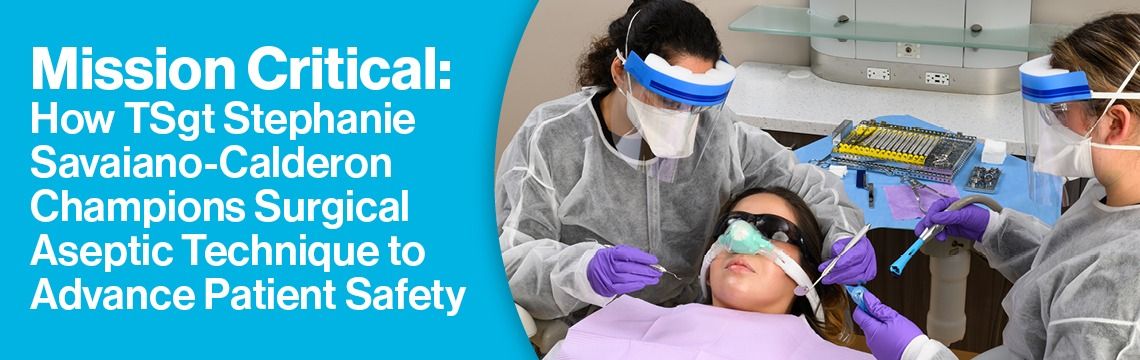
A Career Built on Protecting Patients Through Aseptic Protocol
The career of TSgt Stephanie Savaiano-Calderon, Dental Assistant Instructor for the United States Air Force, has been defined by one unwavering principle: aseptic technique is fundamental to positive patient outcomes.
Stephanie's journey into dentistry wasn't traditional. At 24, she was a certified paralegal on a clear career path when she felt called to serve. She entered the Air Force expecting to continue legal work—but instead, she was assigned as a dental assistant. What initially seemed like an unexpected turn became a calling. Her background in research and regulations proved to be the perfect foundation for a career centered on patient safety, compliance, and evidence-based care.
From Unexpected Assignment to Infection Prevention Leader
After a challenging first year, Stephanie became an Oral Preventive Assistant (OPA), managing her own patients and discovering her passion for one-on-one care. But it was when she took over sterilization operations that her career truly accelerated. Her expertise in infection prevention and control led her to oversee the Infection Prevention and Control (IPC) program for an entire medical clinic, and eventually to serve at the Air Force level, supporting 78 dental clinics worldwide through the Dental Research and Consultation Service.
Recognition for Excellence in Patient Safety
Her impact did not go unnoticed. Stephanie received the Air Force Achievement Medal for her work in infection prevention and control. During a Joint Commission survey, she implemented three best practices and multiple process improvements that helped the clinic earn accreditation with only one minor finding out of more than 1,000 inspectable items. The clinic was even lauded as the "Best Air Force Survey." For Stephanie, the recognition validated what she values most: protecting patients through safe, standardized care.
A Deep Commitment to Aseptic Protocol
At the heart of her work is a deep commitment to aseptic protocol.
"Surgical asepsis is fundamental," she emphasizes. "It ensures positive patient outcomes and prevents post-surgical infections. It's our absolute duty to take every precaution."
According to Stephanie, "The most important thing for people to know is that surgical asepsis in dentistry isn't an optional extra—it is a core responsibility of your entire team." That responsibility means constantly asking critical questions:
- Are we performing surgical hand hygiene correctly?
- Are we donning PPE according to protocol?
- Are we using sterile gloves and sterile water appropriately?
- Are we actively protecting the sterile field from contamination?
Every step matters. Every time.
Combating Misinformation and Teaching the Next Generation
As an instructor, one of Stephanie's biggest challenges, and missions, is combating misinformation and the "we've always done it this way" mindset. "As an instructor," Stephanie explains. "It's my duty to champion the most current and correct protocols to guarantee that every patient receives the safest, highest quality of care, no matter who is treating them."
While teaching the next generation of dental assistants to question outdated habits, her message is clear: if something doesn't seem right, speak up. Patient safety depends on it.
The Multi-Faceted World of Dental Assisting
What she loves most about being a dental assistant is the ability to positively impact someone's day. She adds that "dental assisting is so multi-faceted. It's not just a chairside job, which keeps it exciting and engaging." Whether chairside with a single patient or shaping infection control practices across dozens of clinics worldwide, Stephanie's focus remains the same: safe, high-quality care.
Her career is proof that aseptic protocol isn't just a set of rules. In the right hands, it's a culture of accountability, vigilance, and courage.
About TSgt Stephanie Savaiano-Calderon
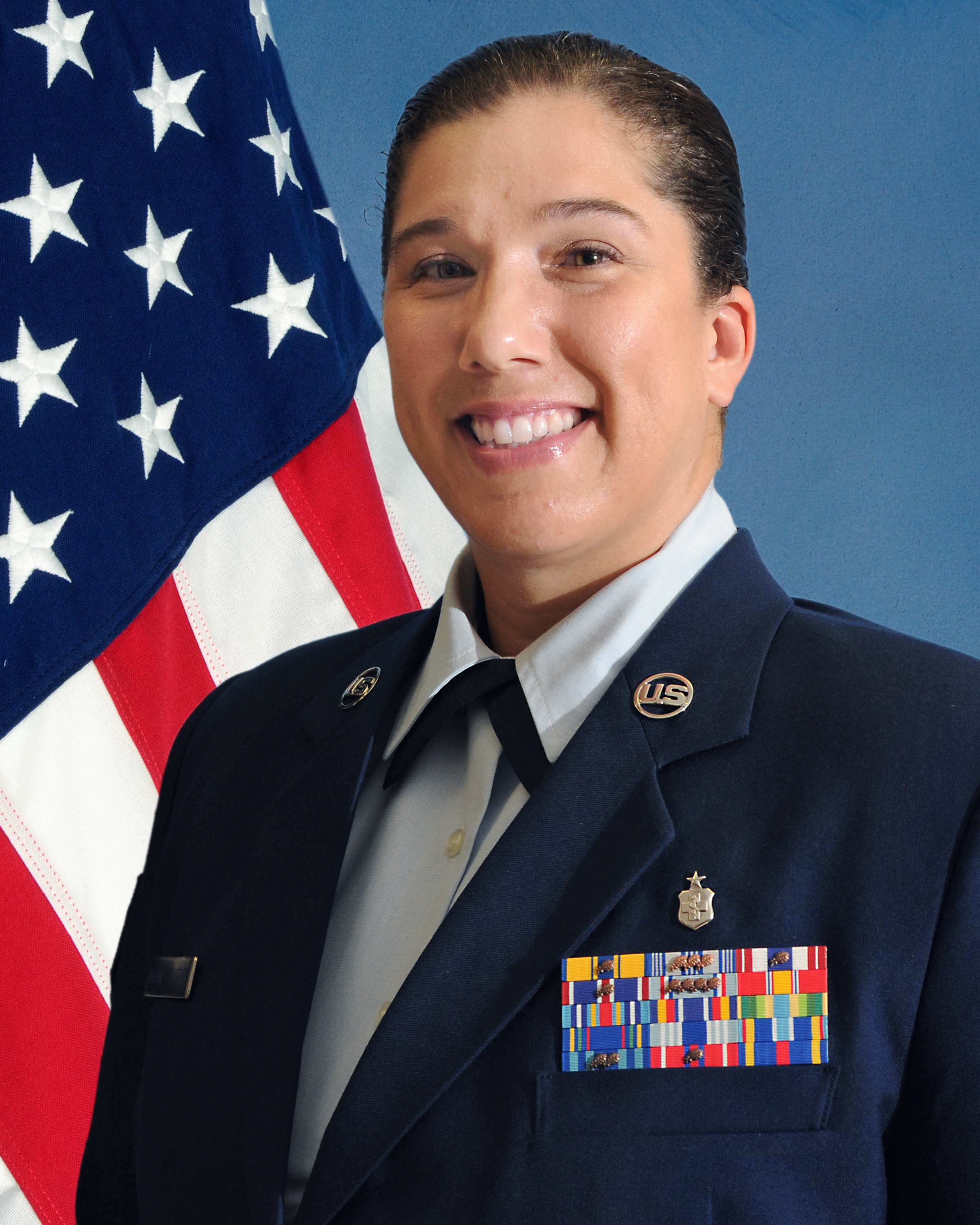
I have proudly served in the United States Air Force for 18 years, leading Infection Prevention and Control programs for both dental and medical facilities for the past 14 years, to ensure the highest standards of safety and patient care are met for our fellow military members. From 2020 to 2025, I supported the Air Force Dental IPC Consultant, contributing to policy development and enterprise-wide infection prevention and control initiatives and training. Today, I serve as an instructor at the Air Force Dental Assistant technical school, where I am honored to mentor and prepare the next generation of dental assistants for success in military dentistry.